
Interconnection
Study Copilot
Salt OS orchestrates governed project evaluation workflows for renewables, grid, and utility teams. Upload a project — get a go/no-go recommendation with full audit trail.
18.3s
Avg. workflow time
8
Pipeline nodes
100%
Audit coverage
The intelligence fabric for regulated energy workflows
Salt OS is not another energy data vendor. It sits between your existing systems — Orennia, Enverus, Wood Mackenzie, PLEXOS — and orchestrates the work across them.
Governed Orchestration
Salt sits between your existing systems and orchestrates work across them. It connects internal documents, external intelligence, and domain analytics into one auditable pipeline.
Full Explainability
Every decision is traceable. Click into any node to see which sources, tools, and assumptions informed the result. Complete audit trail for compliance teams.
Model Optionality
Hot-swap models while preserving pipelines. Choose the right model for each task — from document extraction to risk scoring to memo generation.
Private Deployment
Deploy behind your firewall. Salt keeps governed AI workflows inside the compliance perimeter. SOC 2 compliant with enterprise-grade security.
System Integration
Salt does not replace Orennia, Enverus, Wood Mackenzie, PLEXOS, or your internal systems. It connects them into a unified workflow.
Role-Based Access
Granular access controls ensure the right people see the right data. Approval workflows route decisions through proper channels.
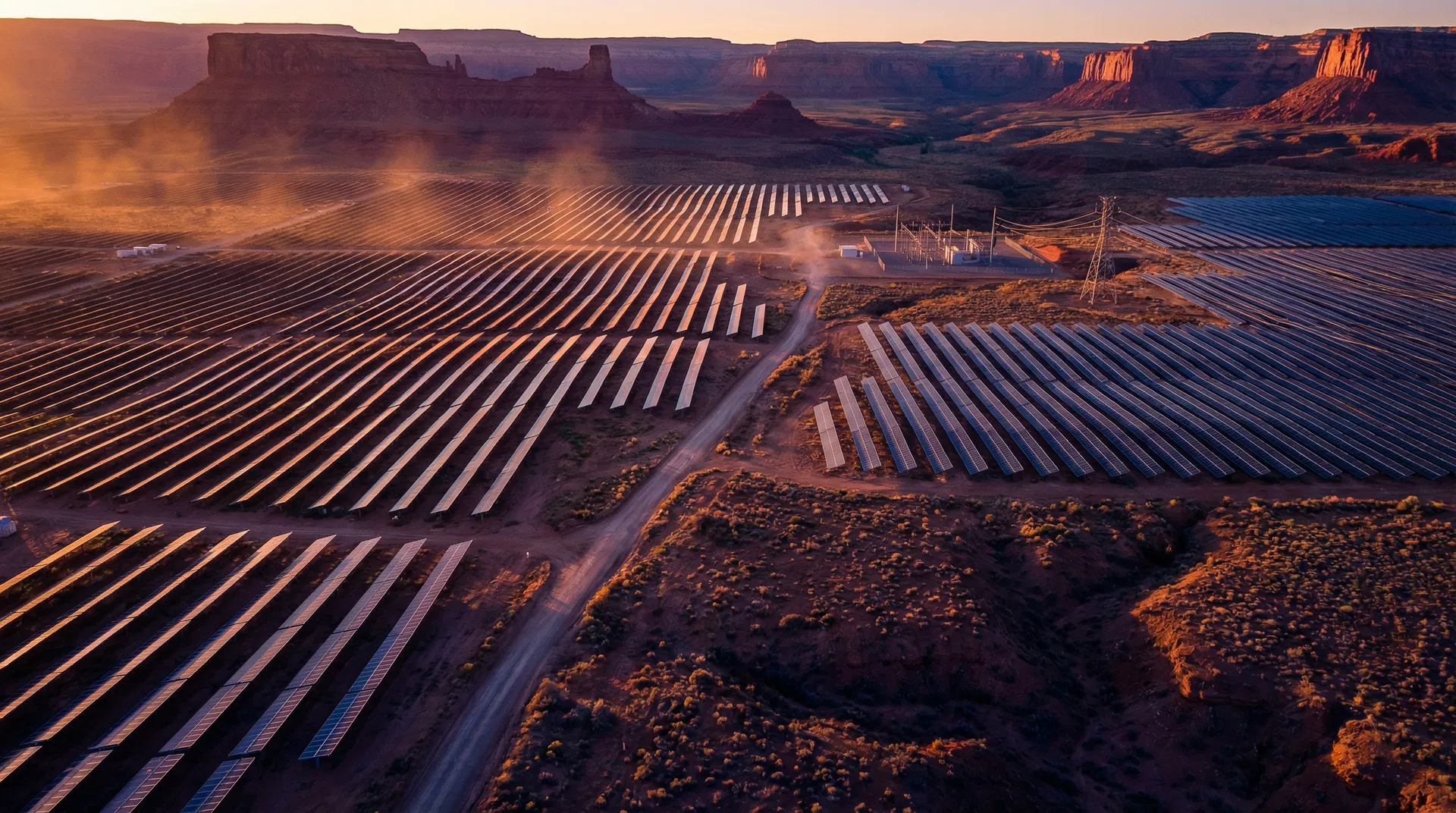
New project arrives
The user uploads the Red Mesa Solar + Storage project packet and asks Salt to evaluate the site. Salt operates inside the customer's secure environment.
Upload project packet
Drag files or click to browse. Supports PDF, XLSX, DOCX.
User Prompt
"Evaluate Red Mesa Solar + Storage in ERCOT West and tell me whether we should advance the project."
Ingested Documents
Red_Mesa_Site_Packet_v2.3.pdf
4.2 MB
Preliminary_Interconnection_Study.pdf
2.8 MB
Engineering_Notes_Q4.pdf
1.1 MB
Capex_Model_2025.xlsx
890 KB
Permitting_Checklist.pdf
340 KB
Development_Summary.docx
520 KB
Extracted Parameters
Workflow graph builds
Salt shows a governed pipeline with nodes for intake, knowledge retrieval, market intelligence, comparable analysis, grid risk, finance impact, memo generation, and approval routing.
External data integration
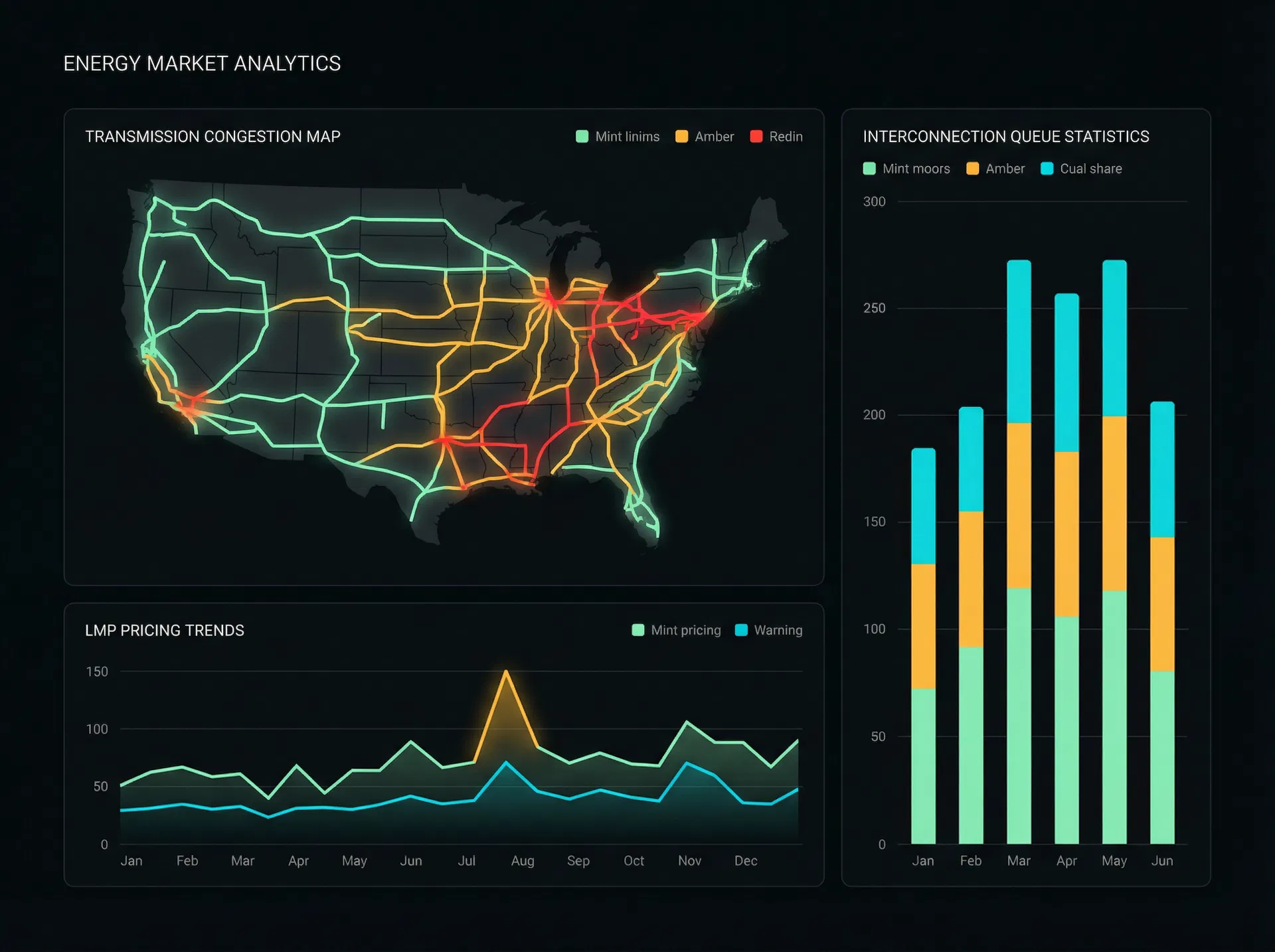
Salt queries external intelligence sources for congestion data, market pricing, and renewable energy forecasts — all within the governed workflow.
Key findings surface
Salt identifies the most important grid, permitting, cost, and schedule risks in plain language — making the workflow useful to executives, not just analysts.
Odessa 345kV Corridor Congestion
The Odessa-Midland transmission corridor shows persistent congestion with curtailment rates exceeding 12% during peak solar hours. ERCOT planning studies indicate 47 active projects competing for limited transmission capacity in this zone.
Network Upgrade Cost Exposure
Based on comparable projects in ERCOT West, estimated network upgrade costs range from $18M to $24M. Historical data shows 67% of projects in this corridor required upgrades exceeding $15M.
County Permitting Timeline Risk
Red Mesa site spans two county jurisdictions requiring separate permitting processes. Historical data shows dual-county projects average 4.2 months longer than single-county approvals.
IRR Sensitivity to Upgrade Costs
Under the high-upgrade scenario, project IRR drops from 11.2% to 8.7%, falling below the 9.5% internal threshold. LCOE increases by $4.20/MWh, reducing competitiveness in PPA negotiations.
Interconnection Study Timeline
Current ERCOT queue position (#47 of 112) suggests 14-18 month study timeline. Comparable projects averaged 16.3 months from application to IA execution.
Favorable Long-Term Pricing
ERCOT West solar + storage projects benefit from strong merchant pricing outlook. Forward curves show $38-42/MWh average through 2030 with upside from data center load growth.
Executive recommendation memo
Salt produces a polished one-page recommendation memo with go/no-go guidance, supporting evidence, risk assessment, and required next steps.
CONFIDENTIAL — INVESTMENT COMMITTEE
Red Mesa Solar + Storage
350 MW Solar / 150 MWh BESS — ERCOT West — Project Evaluation
Recommendation
Conditional Advance
Executive Summary
Red Mesa Solar + Storage presents a commercially viable opportunity in ERCOT West with favorable long-term pricing fundamentals. However, significant grid congestion risk on the Odessa 345kV corridor and high probability (78%) of costly transmission upgrades ($18-24M) create material downside exposure. We recommend advancing to full interconnection study with enhanced transmission risk monitoring and parallel evaluation of alternative POI configurations.
Risk Assessment
Base Case IRR
11.2%
Target: 9.5%
Downside IRR
8.7%
Below threshold
LCOE Impact
+$4.20
Per MWh
Required Next Steps
Proceed with full ERCOT interconnection study application
Commission independent transmission congestion analysis
Evaluate alternative POI at Barilla Junction 345kV
Update financial model with network upgrade scenarios
Engage county permitting counsel for dual-jurisdiction strategy
Schedule investment committee review for Q2 2026
Approval Routing
Audit Trail
Every decision is
fully traceable
Click into any node in the workflow graph to see which sources, tools, and assumptions informed the result. Complete audit trail for compliance and governance teams.
Source Tracing
Every data point links back to its source document, API call, or model output.
Version Control
Track versioned runs and compare outputs across different model configurations.
Compliance Ready
Audit trails meet enterprise requirements for regulated energy workflows.
Predictive Maintenance
Copilot for utilities
Regulatory Reporting
Automated compliance
Energy Consulting
Client-by-client analysis
Project Finance
Diligence copilot